


POST OPERATIVE ADVICE FOLLOWING HIP AND KNEE SURGERY
Care For Feet are proud to feature Guy Titman, Owner and Physiotherapist at Baslow Physiotherapy as our November 2020 Guest Blogger.
Understandably, 2020 has been a challenging year for many of our patients who have remained housebound, so we hope this blog provides some advice how to keep mobile and avoid muscle weakness post operation.
In this short piece Guy provides some tips on how to prepare and recover from post operative hip and knee surgery.
Firstly completing some strengthening exercises prior to surgery improves outcomes afterwards.
With knee surgery, if you have over 20% quadriceps muscle strength deficit prior to surgery it can lead to weaknesses up to 2 years afterwards, so this is time well spent (Lysholm & Tegner 2007).
Here are an example of some beneficial strengthening exercises:
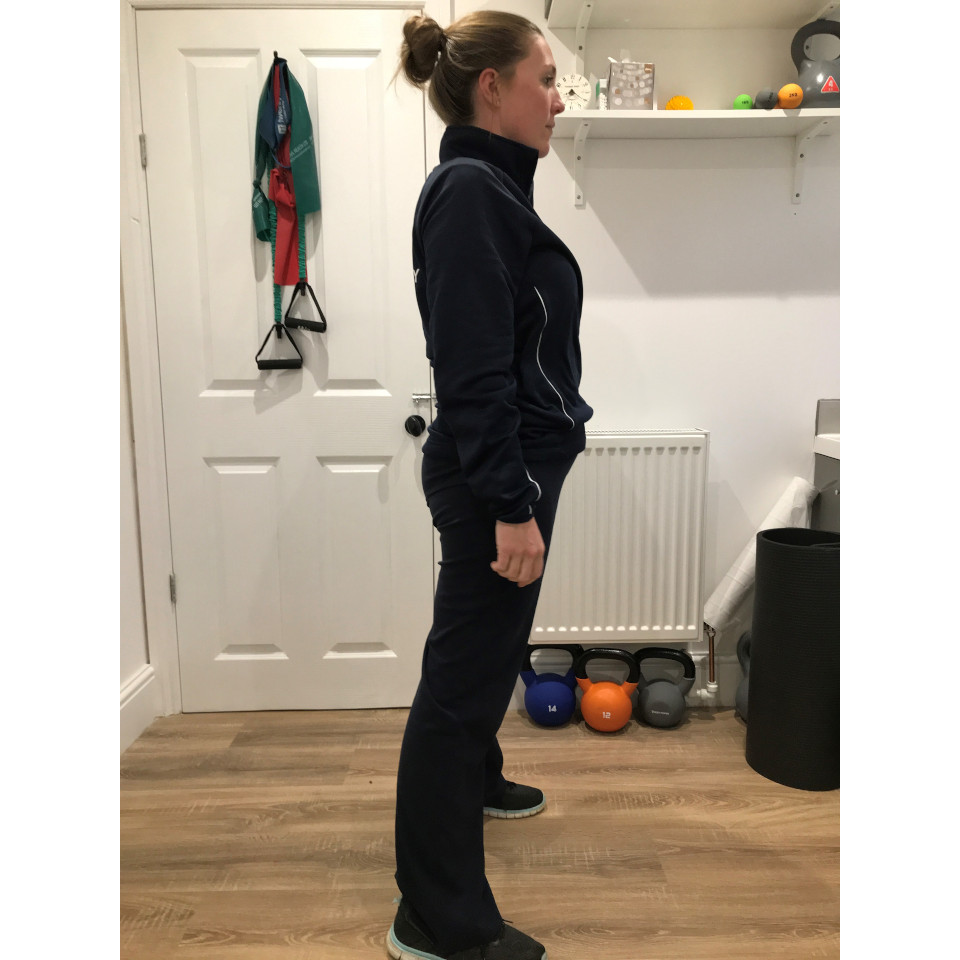
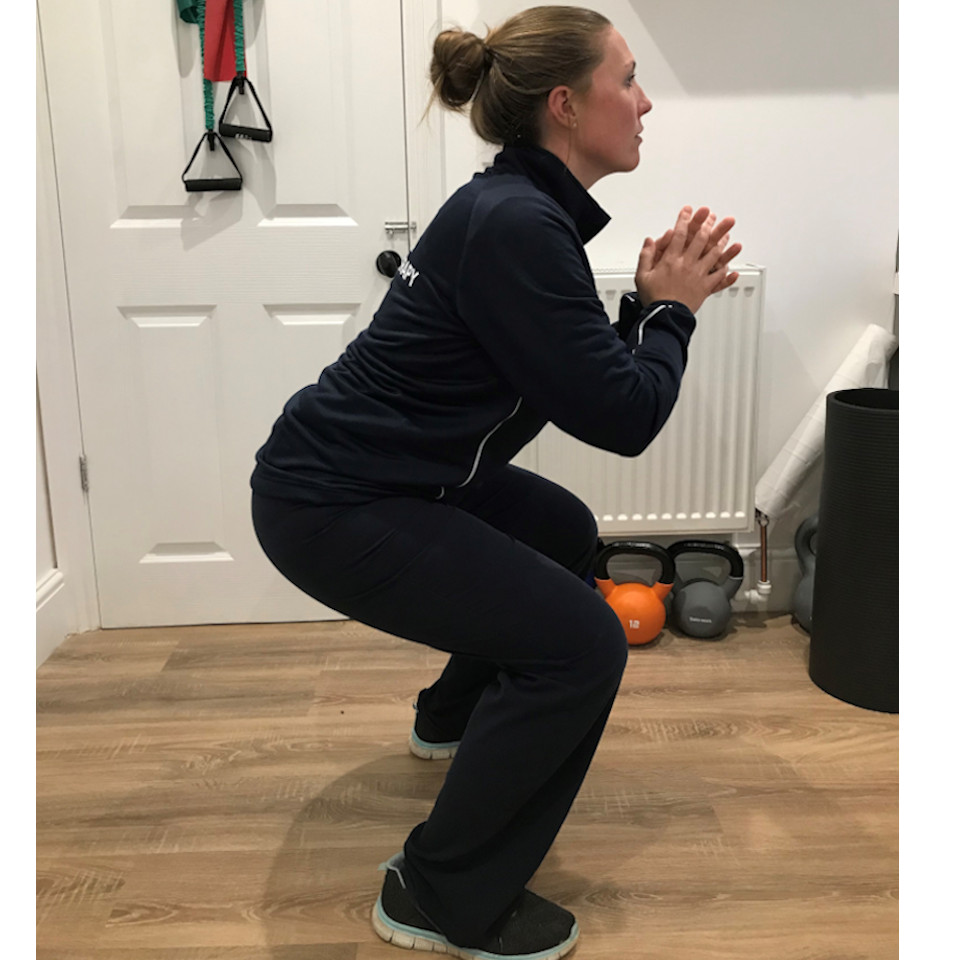
Body weight squats or sit to stand from a chair:
Feet shoulder width apart, try to keep your knees aligned over your second toes, bend your knees to slowly lower yourself down to a comfortable depth (this will vary person to person). Don’t force it into pain as your muscles wont be able to fully work.
Once down hold for a few seconds (the longer the more strain on muscles and joints). Then push down through your feet and straighten your knees to stand back upright. Repeat until you feel your thigh muscles or bottom muscles tiring.
I generally recommend 8-12 reps or 30 seconds of activity to start. Rest for 1-2 minutes to allow the muscles to recover and repeat x 3-4 sets.
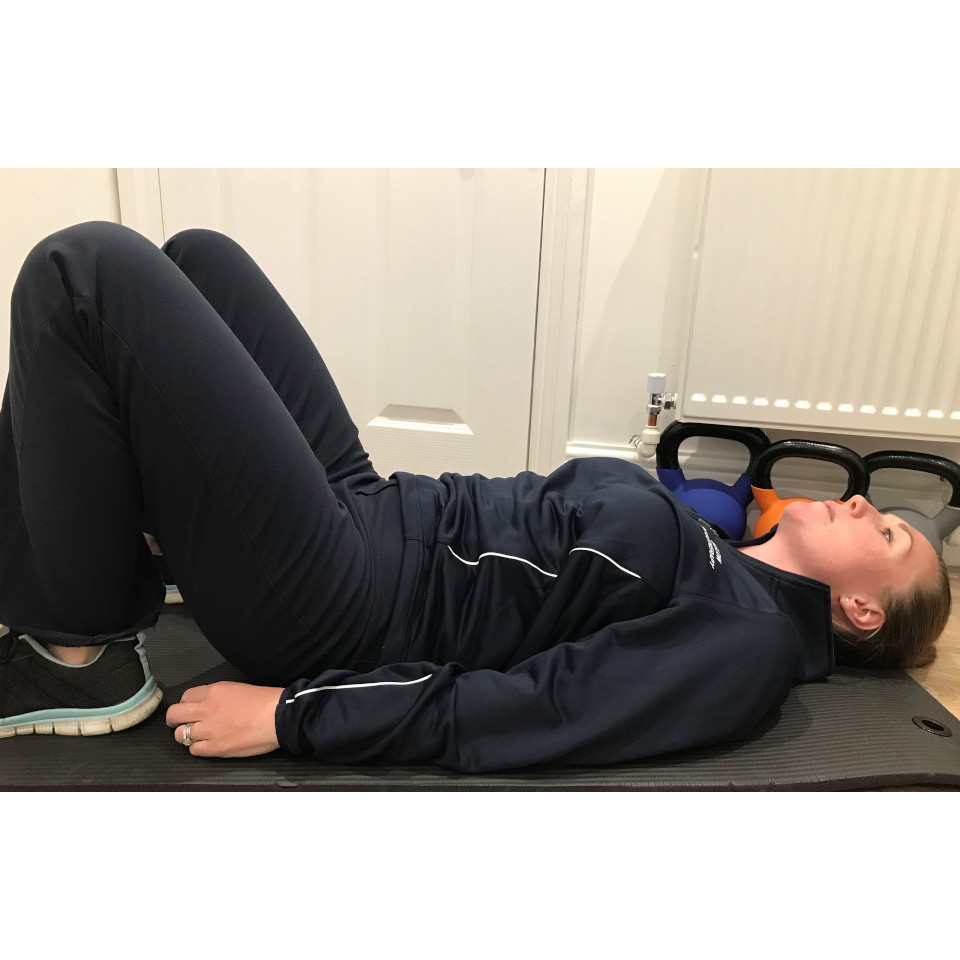
Bridging:
Lying on your back with your feet on the floor and your knees bent up to 90 degrees. Pelvic tilt your hips backwards to flatten your lower back against the floor.
Then squeeze your glutes in your bottom and breathing out gradually lift your bottom up from the bottom up until you have a straight line between your knees and your shoulders.
Try not to arch your lower back as this will put too much pressure onto your neck. Stop and correct your position if you get pain and stop if pain continues.
Then repeat until you feel you lots of quality of movement or your bottom or hamstring muscles are tired, for example: x 8-12 reps, x 3 sets.

Any surgery will stress your body and will take time to recover not only from the tissue trauma but also from your liver and kidneys working overtime to clear the anaesthetic from your body.
During the first few weeks you will feel tired and sleep more and likely find even simple exercise harder (stairs etc), relative rest is important.
This is a good time to sit down and set out your goals and to think seriously about what is achievable in the months following surgery.
Key points during post operative rehabilitation
We generally split it into 3 phases, maximum protection phase, moderate and minimum. Initially, it will be sore and uncomfortable for the first few weeks, although this will pass as the tissues heal naturally and you get back to full function.
- Maximum protection phase 4-6 weeks: Take your pain relief to gradually get active, work on flexibility gradually. Hips often struggle with flexion or bending above your groin and knees. Full extension or straightening is key for walking but also flexion is needed for sitting and function. This phase your body is recovering so take it steady!
- Modrate protective phase 6-12 weeks: Work on function and strength ideally guided by your therapist to gradually increase the repetitions or resistance of all of your lower leg muscles. Work on any biomechanical abnormalities. Don’t just work on your knee or hip, you need to think about the joints above and below encompassing the whole kinetic chain.
- Minimum protection phase 12 weeks+: Work on strength and returning to normal function, the therapist should have set some markers for you to achieve prior to moving onto the next stage. Strength/Quality of movement pattern etc. Review back to what your initial goals were? Everyone will have different goals and different time frames to achieve these goals.
How long will my new joint last?
The first hip replacement was performed in 1940 and the first knee replacement 1968. Times, technology and materials have changed significantly since then.
It was initially believed the joint should last between 10-15 years, most likely until the end of life.
However, we are now finding patients living longer and therefore getting more data that these replacement joints can last at least 25 years.
When can I run again?
My initial question would be when did you last run and how far?
If you have had a total hip or knee replacement running is not recommended. The cartilage has been replaced by man made synthetics often plastic based and if you run you are likely to increase the load through these causing them to wear out quicker.
Alternatives recommended are cycling, walking, swimming, circuit classes.
Even though a joint has been replaced to correct bony abnormality, soft tissue adaptations need to take place, such as re-educating movement patterns and working on strengthening weaker areas.
This will place different demands on the body and it may feel slightly odd to start with. This is important to remember if you feel ‘different’ after surgery.
Seeing a Physiotherapist is vital during rehabilitation from surgery and they can liaise with other specialists as required.
References: Lysholm J, Tegner Y. Knee Injury Rating Scales. Acta Orthopaedica 2007; 78(4): 445-453
Author: Guy Titman, Chartered Physiotherapist
Baslow Physiotherapy Ashen Bank, Eaton Hill, Baslow, Bakewell, Derbyshire, DE45 1SB
Social: Facebook
Website: https://baslowphysiotherapy.co.uk/
Mobile: 07923601527
Email: info@baslowphysiotherapy.co.uk
MEDICAL DISCLAIMER
Medical Disclaimer. Always consult your physician before beginning any exercise program. This general information is not intended to diagnose any medical condition or to replace your healthcare professional. Consult with your healthcare professional to design an appropriate exercise prescription.